

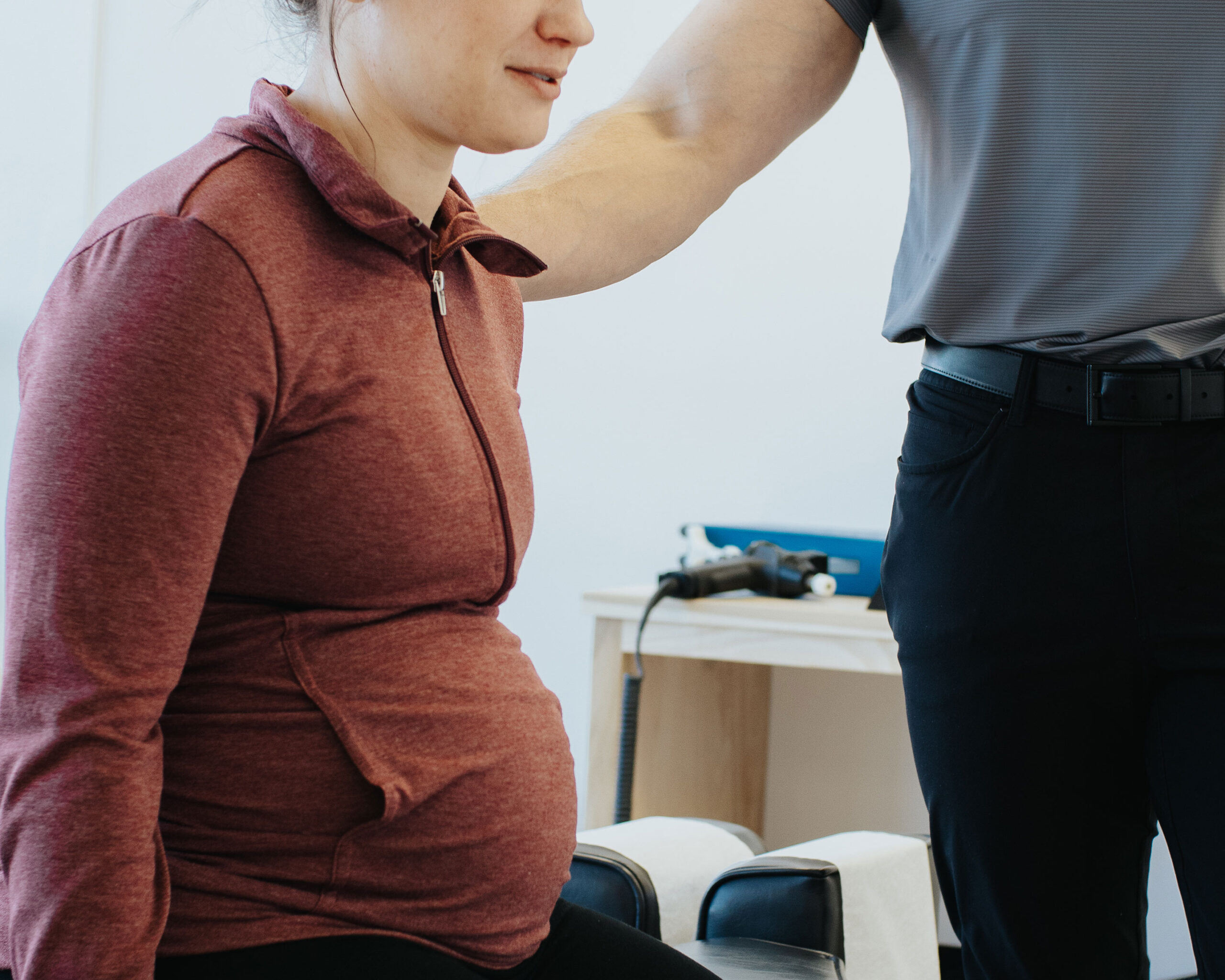
Hip pain after childbirth is more common than many new mothers realize. While some discomfort is expected as your body recovers, persistent hip pain can interfere with caring for your newborn and enjoying motherhood. At Revive Health & Wellness in Point Pleasant, New Jersey, our experienced team provides specialized postnatal chiropractic care to help new mothers find relief and restore their body’s natural balance.
Understanding when hip pain requires professional attention can help you recover faster and return to the activities you love. This guide explains the causes of postpartum hip pain and when chiropractic care can make a meaningful difference.
Why Postpartum Hip Pain Happens
Physical Changes During Pregnancy and Birth
Your body undergoes significant changes during pregnancy to accommodate your growing baby. The hormone relaxin loosens ligaments and joints throughout your pelvis, allowing your body to prepare for delivery. While this flexibility is necessary for childbirth, it can leave your joints unstable and prone to misalignment.
During labor and delivery, your pelvis experiences tremendous stress. The position you maintain during pushing, the duration of labor, and the size of your baby all contribute to potential hip and pelvic dysfunction after birth.
Postpartum Body Mechanics
After delivery, your body doesn’t immediately return to its pre-pregnancy state. Ligaments remain loose for several months, particularly if you’re breastfeeding. During this time, your hips and pelvis are more susceptible to strain from everyday activities like lifting your baby, bending over the crib, or carrying a car seat.
Poor posture while nursing, sleeping in awkward positions with your newborn, and the physical demands of constant baby care can aggravate existing hip problems or create new ones.
Common Types of Postpartum Hip Pain
Sacroiliac Joint Dysfunction
The sacroiliac joints connect your spine to your pelvis. These joints often become misaligned during pregnancy and childbirth, causing sharp pain in one or both sides of your lower back and hips. This pain may worsen when standing up from sitting, climbing stairs, or rolling over in bed.
Sacroiliac joint dysfunction is one of the most frequent causes of postpartum hip pain. A chiropractor can assess these joints and perform specific adjustments to restore proper alignment and reduce inflammation.
Pelvic Instability and Misalignment
When pelvic bones shift out of their normal position during pregnancy or delivery, you may experience a deep aching sensation in your hips, groin, or lower abdomen. This instability can make walking feel unsteady and cause clicking or popping sensations in your hip joints.
Postnatal chiropractic care addresses pelvic misalignment through gentle adjustments and rehabilitation exercises that strengthen supporting muscles and restore stability.
Hip Flexor and Muscle Imbalances
Pregnancy changes your center of gravity, causing certain muscles to become tight while others weaken. Hip flexors often become shortened and tight, while glutes and core muscles lose strength. This imbalance creates pain and limits your hip mobility.
Chiropractors treat these imbalances with soft tissue therapy, corrective exercises, and ergonomic guidance to help you maintain proper body mechanics while caring for your baby.
Sciatica and Nerve Pain
When misaligned joints or tight muscles compress the sciatic nerve, you may experience shooting pain that travels from your hip down your leg. Postpartum sciatica can make sitting, standing, and walking uncomfortable.
Chiropractic adjustments relieve pressure on the sciatic nerve while addressing the underlying structural issues causing compression.
Signs You Should See a Chiropractor for Hip Pain
Pain That Persists Beyond Six Weeks
Some hip discomfort is normal immediately after delivery as your body begins healing. However, if your pain continues beyond the first six weeks postpartum or worsens over time, it’s time to seek professional care.
Early intervention prevents acute problems from becoming chronic conditions. A chiropractor can identify the root cause of your pain and create a treatment plan to address it effectively.
Pain That Interferes with Daily Activities
If hip pain prevents you from comfortably caring for your baby, walking without limping, or performing basic household tasks, you need professional help. New motherhood is demanding enough without physical pain limiting your abilities.
At Revive Health & Wellness, we understand the unique challenges new mothers face and provide treatments that fit into your busy schedule while delivering real results.
Limited Range of Motion
Difficulty bending, squatting, or rotating your hips indicates joint restrictions that benefit from chiropractic care. These limitations can make it challenging to pick up your baby, get in and out of the car, or exercise.
Restoring your full range of motion through spinal adjustments and pelvic rehabilitation helps you move freely and confidently.
Pain When Walking or Climbing Stairs
If each step causes discomfort in your hips or pelvis, your body is signaling a problem that needs attention. Walking should feel natural and pain-free, not like a challenge to endure.
Chiropractic care targets the structural issues affecting your gait and helps you return to normal walking patterns without pain.
One-Sided Pain or Asymmetry
Hip pain that affects only one side often indicates a specific misalignment or muscle imbalance. You might notice one hip feels higher than the other, or your pants fit differently on each side.
A chiropractor can assess your pelvic alignment and make precise adjustments to correct asymmetries contributing to your pain.
Pain Accompanied by Clicking or Popping
Unusual sounds coming from your hip joints when you move suggest joint instability or cartilage issues. While not always serious, these symptoms warrant professional evaluation to prevent further problems.
How Postnatal Chiropractic Care Helps Hip Pain
Gentle Spinal and Pelvic Adjustments
Postnatal chiropractic adjustments are modified to accommodate your recovering body. Using gentle techniques, your chiropractor realigns your spine and pelvis, reducing joint stress and improving overall function.
These adjustments are safe for breastfeeding mothers and can begin as soon as you feel ready after delivery. Many women find relief after just a few sessions.
Soft Tissue Therapy
Tight muscles and trigger points often contribute to hip pain. Chiropractors use targeted soft tissue therapy to release muscle tension, improve circulation, and support natural healing.
This approach addresses both the structural misalignments and the muscular imbalances affecting your hips.
Core Strengthening and Rehabilitation
Your core muscles provide stability for your entire pelvis and spine. After pregnancy, these muscles need specific exercises to regain strength and function properly.
Your chiropractor will teach you safe, effective exercises that rebuild core strength without worsening diastasis recti or other postpartum conditions.
Postural Correction and Ergonomic Guidance
Learning proper body mechanics for nursing, lifting, and carrying your baby prevents additional strain on your hips. Your chiropractor provides practical advice you can implement immediately to reduce pain and support recovery.
Simple adjustments to how you hold your baby, sit while feeding, or carry a diaper bag can make a significant difference in your comfort level.
Conclusion: Prioritize Your Recovery
Postpartum hip pain doesn’t have to be something you just endure. Professional chiropractic care offers safe, effective relief that addresses the root causes of your discomfort and supports your body’s natural healing process.
Ready to find relief from postpartum hip pain? Schedule your postnatal chiropractic consultation today by calling 732-444-1103. We proudly serve new mothers throughout Point Pleasant, Brick, Toms River, Manasquan, and surrounding areas.
Follow us on Facebook, YouTube, and Instagram for more updates!