

You’ve learned how to buckle the car seat, figured out which blanket your baby likes, and answered plenty of questions about feeding and sleep. Meanwhile, your own back hurts when you stand up from the couch. You keep meaning to ask someone about it.
If you’re considering postnatal chiropractic care in Point Pleasant, NJ, you probably have practical questions. How soon can you go? What happens after a C-section? Could care help with discomfort during everyday activities? The starting point is understanding what’s causing your symptoms and which kind of support fits your recovery. Chiropractic care may be an option for certain muscle and joint concerns, alongside the medical care you receive after childbirth.
What Is Postnatal Chiropractic Care?
Postnatal chiropractic care focuses on evaluating muscle and joint concerns after pregnancy and delivery. People may seek an assessment for back discomfort or neck and shoulder tension that affects daily activities. The approach should reflect their symptoms, health history, and stage of recovery.
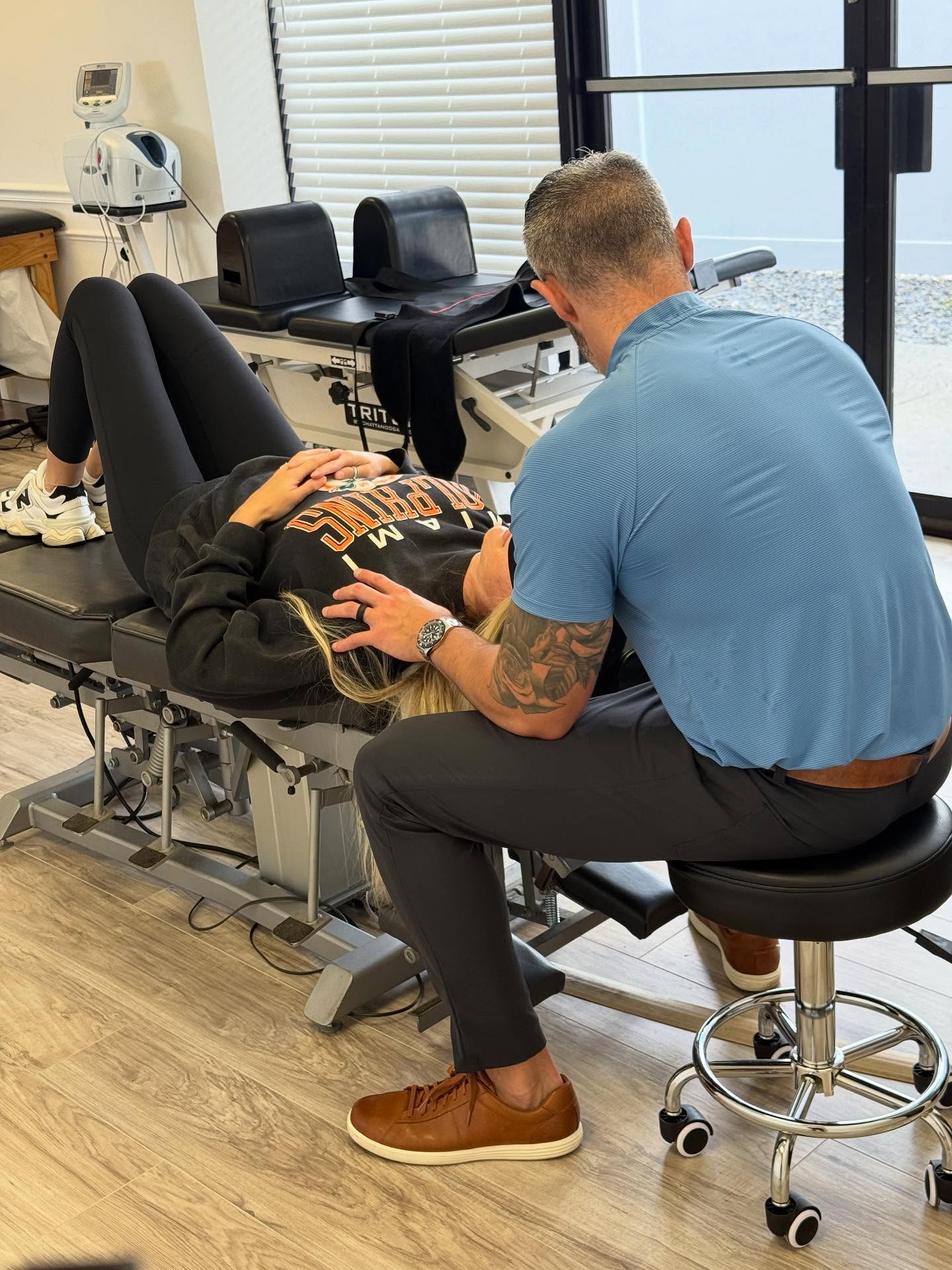
Revive Health & Wellness offers postnatal chiropractic care in Point Pleasant. Its services include assessment and approaches such as hands-on care, movement guidance, and advice about body positioning during baby care. Which options are appropriate depends on the individual.
An appointment should give you room to explain what feels difficult. “My back hurts when I lift the baby from the bassinet” is more useful than feeling you need to arrive with a diagnosis. You should also understand what the clinician recommends, why they recommend it, and when another provider’s evaluation is needed.
Why Can Everyday Activities Feel Different After Birth?
Your body is recovering while you’re learning a physically demanding routine. Feeding, carrying, and repeatedly reaching for your baby can involve positions you weren’t spending much time in before. Even finding a comfortable place to sit may take some trial and error.
The NHS guidance on your body after pregnancy explains that physical problems can relate to pregnancy, birth, or activities such as lifting and bending while caring for children. It also recommends asking a healthcare professional about problems that are bothering you. You don’t have to wait until discomfort becomes unbearable to mention it.
Try noticing when symptoms show up rather than guessing at the cause. Does your shoulder ache during a long feeding session, or does your back feel uncomfortable getting out of bed? Those observations help you describe the problem without assuming that every postpartum ache means something is “out of alignment.”
How Soon After Delivery Can You Consider Care?
There isn’t one waiting period that makes chiropractic treatment appropriate for everyone. Your delivery, current symptoms, healing, and any complications all matter. Discuss ongoing discomfort with your OB-GYN or midwife, particularly after a C-section, significant tearing, or other medical concerns.
Returning to exercise also requires an individual approach. ACOG advises people who had a cesarean birth or complications to ask their obstetric clinician when it’s safe to resume exercise. Being ready for gentle activity doesn’t automatically establish that a particular hands-on treatment is appropriate.
You can contact a chiropractic office to discuss the evaluation process before committing to treatment. Explain when you delivered and whether your maternity team has given you restrictions. Ask how those instructions will affect the appointment, including any positions that feel uncomfortable.
Which Symptoms Need Immediate Medical Attention?
Some postpartum symptoms need urgent medical care. The CDC’s maternal warning signs include chest pain, trouble breathing, a severe or persistent headache, heavy bleeding, and painful swelling in one leg. Seek medical care immediately if these occur, and tell the treating team that you recently gave birth. Pregnancy-related complications can occur during the year after delivery.
Can Chiropractic Treatment Help With Postpartum Back Pain?
Spinal manipulation may provide small improvements in pain and function for some adults with low-back pain. The National Center for Complementary and Integrative Health describes it as one of several approaches used for that condition. General back-pain research, however, doesn’t establish the same results for everyone recovering from childbirth.
Research specifically addressing postpartum chiropractic care is limited. A 2020 systematic review found insufficient evidence to make a clear recommendation among the treatment options it evaluated. That supports a careful, individual discussion about possible benefits rather than promises of faster recovery.
Treatment also carries risks. Temporary soreness or stiffness can occur after spinal manipulation, and serious complications have been reported, although they are rare and their frequency is uncertain. Your clinician should explain the risks relevant to the proposed technique, along with alternatives and the option to decline treatment.
A helpful question is, “What change are we trying to achieve?” Being more comfortable during a feeding session is a clearer goal than a broad promise to restore your body. Ask when progress will be reviewed and what the next step would be if symptoms don’t improve.
What Should You Discuss During Your First Appointment?
Bring a picture of your recovery so far, including details that might seem unrelated to your back or shoulders. Share your delivery history, medications, and any current restrictions from your medical team. Tell the clinician about previous injuries and whether symptoms are improving, staying the same, or getting worse.
It can help to write down the activity you most want to feel comfortable doing. Maybe it’s carrying your baby between rooms or sitting through a feed without constantly changing position. You can use that example to ask how the proposed care connects to your daily life.
Before agreeing to a plan, ask what each part involves and whether there are alternatives. Ask about the expected cost and how often your needs will be reassessed. You should leave understanding the recommendation, with enough information to decide whether you’re comfortable proceeding.
Finding Postnatal Chiropractic Care in Point Pleasant, NJ
Revive Health & Wellness is located at 3201 Bridge Ave, Point Pleasant, NJ 08742. If you’re coming from Brick, Manasquan, Bay Head, or Point Pleasant Beach, contact the Point Pleasant office to discuss scheduling. Ask what you should bring and whether you need to provide information from your obstetric clinician.
Appointment logistics matter when you have a new baby. Before your visit, ask whether you can bring your baby and whether a support person can come with you. Knowing the office’s arrangements in advance gives you one less thing to figure out on the day.
You can also use Revive’s insurance coverage-check page to begin asking about benefits. Confirm coverage for the specific service, any referral requirements, and expected out-of-pocket costs. A benefits check helps with planning, but it doesn’t guarantee that an insurer will pay every charge.
Common Questions About Postpartum Recovery
Can I consider chiropractic care while breastfeeding?
Tell the clinician that you’re breastfeeding and discuss your symptoms, recovery, and comfort with different treatment positions. Breastfeeding alone doesn’t determine whether a particular technique is appropriate. Ask about the benefits and risks of the actual treatment being proposed rather than relying on a blanket statement that all care is safe.
What if I had a C-section?
Your surgical recovery and your obstetric clinician’s instructions should guide the discussion. Share any incision discomfort or movement restrictions before an examination or treatment begins. There’s no need to push through a position that hurts because you think an appointment requires it.
Can an adjustment treat diastasis recti?
Spinal adjustments aren’t an established treatment for closing abdominal muscle separation. If you’re concerned about diastasis recti, discuss it with your medical provider, who can assess your needs and refer you for appropriate rehabilitation. The NHS identifies physiotherapy as an option for persistent separation.
What about pelvic pressure or bladder leakage?
Bring these symptoms to your OB-GYN or midwife rather than assuming they’re part of a back problem. They may recommend assessment by a pelvic health specialist. Postnatal chiropractic care should fit alongside that evaluation, not delay it.
How many visits will I need?
The number depends on the assessment, your goals, and how you respond. Ask for a clear explanation of the proposed schedule and when it will be reconsidered. Continuing care should involve reviewing whether it’s helping with the concerns that brought you in.
Make Room for Your Recovery, Too
Your recovery deserves a place in the conversation, even when most of the day revolves around your baby. You don’t need to know which treatment you need before asking for help. Start by describing what hurts, when it happens, and what you’d like to do more comfortably.
Revive Health & Wellness can discuss whether an evaluation for postnatal chiropractic care fits your concerns. Keep your OB-GYN or midwife involved, and bring any recovery instructions to the appointment. To ask about care at the Point Pleasant office, call 732-444-1103 or contact Revive about your postnatal recovery questions. There’s room to talk about how you’re feeling, too.