

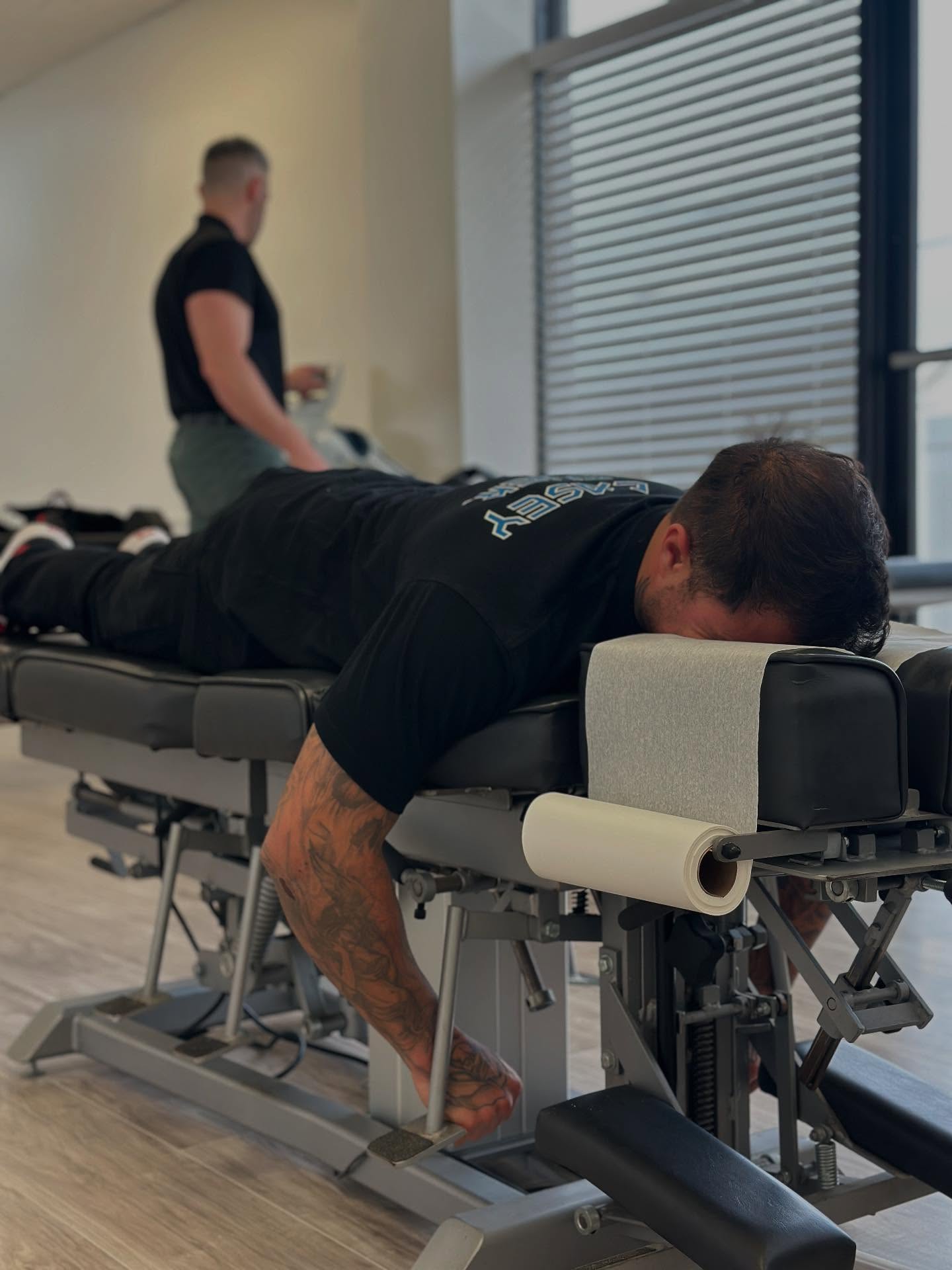
You stand up after answering a few emails, and your lower back makes you pause. Or you finish carrying groceries inside and realize the ache you noticed yesterday hasn’t gone away. It’s uncomfortable, but you’re still getting through the day. Does that mean you should wait?
You can consider seeing a chiropractor for lower back pain when discomfort keeps returning, limits everyday activities, or isn’t improving, provided there are no symptoms that need medical attention first. For people in Point Pleasant, NJ, an evaluation can help clarify whether chiropractic care fits the problem. Understanding when to book that appointment, what to expect, and when to seek a doctor’s care makes the decision easier.
When Is a Chiropractic Evaluation Worth Considering?
An evaluation is worth considering when back discomfort starts changing how you live. Maybe you’re avoiding walks, struggling to sit through work, or planning household chores around what your back will tolerate. You don’t need to reach a particular pain score before asking for help.
Recurring episodes are another reason to seek an assessment. A sore back that settles down and then returns every few weeks deserves a conversation about the pattern. Explain what happens between episodes, too, including whether you feel fully comfortable or simply learn to work around it.
If pain hasn’t improved after a few weeks, arrange a healthcare evaluation rather than continuing to guess at the cause. The National Institute of Arthritis and Musculoskeletal and Skin Diseases recommends seeing a doctor for persistent symptoms and for concerns such as pain after an injury, fever, or unexplained weight loss. A primary care clinician can help determine which type of treatment or referral is appropriate.
At Revive Health & Wellness, you can ask about chiropractic care in Point Pleasant and describe what’s been happening. The purpose of the initial assessment is to understand your concern and determine whether the available care is suitable.
When Should Medical Care Come First?
Some symptoms should take priority over a routine chiropractic appointment. Seek emergency care for lower back pain accompanied by new difficulty urinating, loss of bladder or bowel control, or numbness around the groin or buttocks. New weakness or numbness in both legs, chest pain, or pain following a serious accident also requires emergency assessment. The NHS back-pain guidance identifies these as warning signs.
Sudden severe pain, rapidly worsening pain, or back pain with fever and feeling unwell warrants urgent medical advice. Unexplained weight loss or persistent pain at night also needs a medical evaluation. These symptoms don’t establish a diagnosis, but they change what should happen next.
You don’t have to sort that out alone. If you’re unsure whether your symptoms are urgent, contact a medical professional and describe them clearly. Avoid assuming that severe pain simply needs an adjustment.
What Can Cause Lower Back Pain?
Lower back pain can involve muscles, joints, discs, or nerves, and sometimes there isn’t one clear cause. A strain after lifting is different from pain related to nerve irritation or an underlying medical condition. Similar symptoms can have different explanations, which is why treatment should follow an assessment.
The location of the ache doesn’t tell the whole story. A clinician may ask whether pain stays in your back, travels into a leg, or changes with particular movements. Your medical history and the way symptoms developed help put those details in context.
Before an appointment, note what you’ve stopped doing because of the discomfort. “I can sit for twenty minutes before I need to stand” gives a clearer picture than “my back is bad.” You don’t need a perfect symptom diary; a few specific examples can make the conversation more useful.
Can Chiropractic Care Help With Lower Back Pain?
Spinal manipulation, sometimes called an adjustment, is one treatment option for certain types of lower back pain. The National Center for Complementary and Integrative Health reports that it may produce small improvements in pain and function. That means some people may find daily activities easier, but relief isn’t guaranteed.
A recommendation should explain why a particular approach fits your symptoms. Ask what benefit is realistic, what alternatives are available, and how the clinician will judge whether treatment is helping. You should also be able to discuss an approach that doesn’t include manipulation.
Temporary soreness, stiffness, or increased discomfort can occur after spinal manipulation. Serious complications have been reported, although they’re rare and their frequency is uncertain. Share your health conditions and medications so the clinician can assess risks relevant to you.
The conversation may also include activity guidance or exercises suited to your situation. Revive offers exercise therapy, which you can ask about when discussing your goals. Any recommendation should connect to what you’re trying to do more comfortably, whether that’s working at a desk or carrying a laundry basket.
What Happens at the First Appointment?
An initial assessment generally starts with questions about your symptoms and medical history. Be prepared to explain when the pain began, what makes it better or worse, and whether it spreads beyond your lower back. Bring information about previous injuries, surgery, medications, and treatment you’ve already tried.
The examination may assess movement, strength, sensation, and reflexes, depending on your symptoms. These findings help the clinician decide whether treatment is appropriate or whether you need another evaluation. The NIAMS guide to diagnosing back pain explains that medical history and a physical examination are central to this process.
Before leaving, make sure you understand the next step. Ask when progress will be reviewed and what would lead the clinician to change the plan. A useful goal might be sitting through dinner more comfortably or returning to a particular activity, rather than simply completing a set number of appointments.
Planning Care in Point Pleasant, NJ
Revive Health & Wellness is located at 3201 Bridge Ave, Point Pleasant, NJ 08742. If you’re coming from Brick, Manasquan, Bay Head, or Point Pleasant Beach, contact the Point Pleasant office to discuss appointment options. Mention your main symptoms when you call so the team understands what you’re seeking help with.
It’s also reasonable to ask about costs before scheduling. Revive’s insurance coverage-check page can help you begin that conversation, but confirm the details for the service you’re requesting. Ask about network status, copays, and any referral requirements under your plan.
Think about what you want from the visit beyond short-term relief. Perhaps you’d like to understand why the discomfort keeps interrupting work, or how to approach an activity you’ve been avoiding. Having a question in mind can make the appointment feel more focused and help you evaluate the advice you receive.
Common Questions About Lower Back Pain
Should I wait until the pain becomes severe?
No. Pain that keeps returning or interferes with daily activities is a reasonable reason to seek an assessment. The urgency depends on your symptoms and medical history, not only how intense the pain feels.
Is rest better than movement?
For uncomplicated back pain, staying gently active as tolerated is generally preferable to prolonged bed rest. Temporarily adjust activities that aggravate your symptoms, and don’t force a stretch or workout that makes pain worse. Ask a clinician for guidance if you’re unsure what movement is appropriate.
Will I need an X-ray or MRI?
Not automatically. Many people can be assessed without imaging, while some symptoms or examination findings justify further testing. Ask what a proposed scan would help determine and how the result might change your care.
What if pain travels down my leg?
Tell the evaluating clinician, especially if it comes with tingling, numbness, or weakness. Pain traveling into a leg can involve nerve irritation, but an assessment is needed to understand the cause. New or worsening weakness needs prompt medical attention; bladder or bowel changes or groin numbness require emergency care.
How many chiropractic visits will I need?
There isn’t one schedule that fits every back problem. Ask for a proposed plan with clear goals and a point at which progress will be reassessed. If your symptoms aren’t improving or are getting worse, the plan needs review rather than automatic continuation.
Get Answers Before Back Pain Takes Over More of Your Day
If lower back pain keeps interrupting your routine, an evaluation can help you understand your options. You don’t need to arrive knowing the diagnosis or which treatment you want. Start with what you’ve noticed, what’s becoming difficult, and the questions you’d like answered.
Revive Health & Wellness can discuss whether a chiropractic evaluation fits your concerns and whether another type of assessment should come first. To ask about care at the Point Pleasant office, call 732-444-1103 or contact Revive about your lower back pain. A clear explanation of the problem and the next step is a useful place to begin.